
Rehearsal Dinner Planning Guide
Rehearsal dinner usually immediately follows the ceremony rehearsal and is typically the final gathering of friends and family prior to the big day. Below is a planning guide to help you manage the who, what, when, where, why, and how of this event. Follow this guide or share it with the event host for a smooth rehearsal dinner planning experience!
Wedding day is right around the corner! A ceremony rehearsal is always highly recommended and strongly encouraged to take place a day or two prior to the wedding day. During the wedding ceremony rehearsal everyone participating in the ceremony (i.e. formally walking down the aisle, performing readings or songs, leading special ceremonies, etc.) will have a chance to practice what is expected on the wedding day. Everyone will learn where to line up, who they will walk with, the pace to walk, where they will end up sitting or standing, what to do throughout the ceremony, and how/when to recess, or exit, at the conclusion of the ceremony. The ceremony rehearsal is also a great opportunity to share your wedding day timeline, ceremony details, and other pertinent information with your wedding party and other wedding day participants so that everyone goes into the wedding day knowing what to expect.
The wedding ceremony rehearsal is typically closely followed by a rehearsal dinner where the wedding party, close family members, and their significant others gather to enjoy connecting over a meal. As with any event, rehearsal dinners can look vastly different! Some are elaborate enough to rival the wedding, some are casual backyard BBQs, and of course there are plenty in between. No matter your rehearsal dinner vision, the following guide will help you manage the who, what, when, where, why, and how of the rehearsal dinner. Follow this guide or share it with the event host for a smooth rehearsal dinner planning experience!
What is the purpose of rehearsal dinner?
A rehearsal dinner event is intended to gather your wedding party and loved ones in an intimate setting before the big day. This event provides the opportunity to connect with your loved ones and show appreciation for their support and participation in your wedding.
Note that a welcome party and a rehearsal dinner are two separate events. A welcome dinner is open to all guests attending the wedding, while a rehearsal dinner has a limited guest list. It is not necessary, but also not uncommon for both a welcome dinner (or welcome “happy hour”) and a rehearsal dinner to occur, especially for destination weddings or weddings where a large portion of the guest list have traveled to attend.
When should the rehearsal dinner take place?
Rehearsal dinner typically occurs directly following the wedding ceremony rehearsal. This means that it will take place either the night before or a few days prior to your wedding. While it is called “rehearsal dinner” it doesn’t necessarily have to be a dinner. A wedding ceremony rehearsal scheduled early in the day might be followed by a rehearsal brunch or lunch inlieu of a dinner. Less formal rehearsal gatherings, like a rehearsal “happy hour,” are likely to occur either before or after a standard dinner hour.
Pro-tip #1: Know your guests and plan accordingly. A group that enjoys drinking can benefit from the rehearsal dinner taking place two days before the wedding instead of the night before to minimize the risk of anyone feeling unwell the morning of your wedding. If this isn’t an option, limit the alcohol provided to wine and beer only.
Example rehearsal dinner planning timeline-
6 months prior to the wedding-
Create a guest list for the rehearsal dinner
Decide on the general “feel” for your rehearsal dinner (formal, casual, something in between?)
Contact ceremony venue and confirm rehearsal date (note that some venues will not confirm this date until closer to the wedding, which would impact this planning timeline)
Find & book a venue to host the dinner
3 months prior to the wedding-
Consider how you want to invite your guests to rehearsal dinner
Order invitations
Book a florist
Book a photographer
2 months prior to the wedding-
Send out invitations to rehearsal dinner (send these sooner if a lot of guests are traveling so they can book travel arrangements accordingly!)
Have a tasting with the venue & confirm the menu
Book a musician
1 month prior to the wedding-
Source wedding party gifts
Design & source a welcome sign, seating chart/place cards, printed menus, table numbers, etc.
Select personal attire for rehearsal dinner
Pro-tip: it is a good idea to wear your wedding shoes to the wedding ceremony rehearsal. If you will not have an opportunity to change your shoes between the ceremony rehearsal and dinner, plan your rehearsal dinner outfit accordingly!
1 day(ish) prior to the wedding-
Host wedding ceremony rehearsal
Attend rehearsal dinner
Who hosts the rehearsal dinner?
While, traditionally a groom’s parents take on this task, the host can be anyone! Only the wedding party members should not host the rehearsal dinner, as this is an event to appreciate and celebrate them as much as it is to celebrate your upcoming wedding. Fortunately, it is common for someone to offer to host the rehearsal dinner. The cost of the rehearsal dinner is covered by the host, which can make asking someone to take on the responsibility of the rehearsal dinner awkward. If no one is volunteering, there are no rules saying you cannot host your own rehearsal dinner!
How should I invite people?
As always, there are no set rules. Mailing formal invitations when time and budget allow, but, baring the scale of the event, are not necessarily a must! Since the guest list is typically just those absolutely closest to you, invitations can easily be sent via email or evite hosting platform, especially for particularly tight planning windows and/or small guest lists! It is worth noting that individuals of older generations tend to be more committed to tradition and might consider formal invitations a requirement.
No matter how you choose to spread word about the party, the invitations do not need to be as robust as the wedding invitations. A one page invitation, detail card, and RSVP card (with pre stamped return envelope) is typically going to be the absolute most a rehearsal dinner invitation suite might include, though the standard is a simple postcard invitation.
Who should be invited?
Who you invite depends on the scale of the event you are planning to host. An intimate rehearsal dinner will typically have a guest list limited to the wedding party, wedding ceremony participants, close family members, and their significant others. A more elaborate rehearsal dinner might be open to all extended family in addition to the wedding party and wedding ceremony participants. In any situation, guests are expected to be granted a plus one when they have a significant other and/or have traveled from out of town with a wedding date.
What information should the invitations include?
As always, names, date, location, and time will need to be included on the rehearsal dinner invitation. The host should also specify what kind of refreshments can be expected (appetizers only, full dinner, hosted bar, BYOB, no alcohol, etc.) Be sure to include the time and location of the actual ceremony rehearsal, too!
The rehearsal dinner host may also want to include their name and that is totally fine! People will often word the invites “The parents/aunt/cousin/friend/etc. of X invite you to the wedding rehearsal of their daughter/son/other to [Fiance name here] [list time and location]. Dinner to follow [list time and location].”
Information at a glance:
Couples’ names
Event date
Ceremony rehearsal time
Ceremony rehearsal location
“Dinner to follow at……”
Rehearsal dinner time
Rehearsal dinner location
Where should the rehearsal dinner be hosted?
It is rare, though not unheard of, for a wedding venue to offer their clients the option to host a rehearsal dinner on site following the wedding ceremony rehearsal. It is more typical for a rehearsal dinner to be hosted at a restaurant, venue, private residence, or park nearby. Most commonly rehearsal dinners are held at a restaurant near the wedding ceremony venue for a convenient guest commute following the wedding ceremony rehearsal. Choosing a private room in a restaurant simplifies the planning efforts since they tend to be very inclusive (i.e. in house catering, tables, chairs, flatware, plates, napkins, drinkware, bar, centerpieces, etc.). If a restaurant is not feasible, a backyard get together or park gathering is not out of the norm! The formality and scale of any rehearsal dinner depends on the host’s preference, and anyone considering alternative options to a restaurant or event venue is not necessarily committing to a more casual event. A rehearsal dinner held at a private residence or park has the same potential to be particularly fancy as it does particularly casual. The ultimate location selection depends on the size of the guest list, available options within a close proximity to the ceremony venue, event vision, and budget.
What should we do at the rehearsal dinner?
Eat, drink, and socialize! The rehearsal is a great opportunity to distribute gifts to the wedding party and close family members. It is also the perfect time to allow loved ones who will not be giving toasts at the wedding to say a few words to honor your marriage.
Is a full meal expected at the rehearsal dinner?
YES, guests typically assume rehearsal dinner will provide a meal unless told otherwise! While it is expected, you do not have to include one. You do, however, have to communicate this to guests so that they may plan accordingly.
Rehearsals are typically a nicer meal, but that doesn’t mean yours has to be. A backyard BBQ or quick pizza party is completely acceptable! If the host wants to go all out and provide a full 5 course, sit down dinner, that is fine, too. As long as they are paying for it, and you are comfortable with it, there are no right or wrong answers as to what should be served.
What should be included in the budget?
This completely depends on what the budget allows for and what the host chooses to include! Below are some typical things to consider budgeting for:
Event Planner & Coordinator
Venue
Catering
Tables, chairs, plates, cups, flatware, napkins, etc.
Bar
Cake/dessert
Invitations
Decor
Miscellaneous
That being said, every rehearsal dinner looks different. One might be an event to rival the wedding while another might be a simple kickback with beers on the beach. It isn’t the details that make a rehearsal dinner- it is the intention, the connection, and the celebration!

Save the Dates, Invitations, and a bit on RSVPs
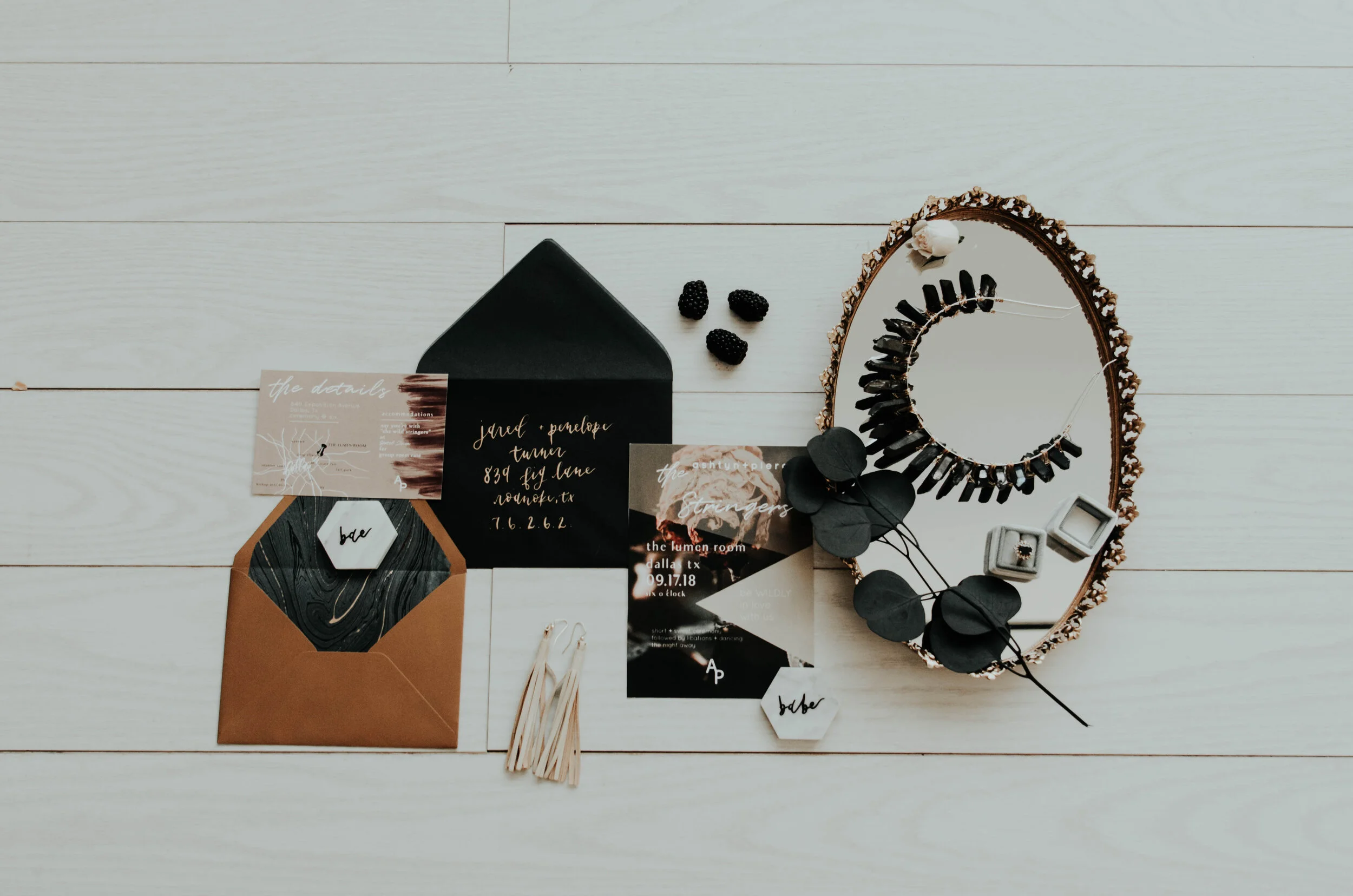
Sending out Save the Dates and Invitations are SUCH fun parts of wedding planning. For so many people this is the first step that makes everything feel real. Soak in these vital steps, and feel confident you are doing it right by reading the information below!
Sending out Save the Dates and Invitations are SUCH fun parts of wedding planning. For so many people this is the first step that makes everything feel real. Soak in these vital steps, and feel confident you are doing it right by reading the information below!
Before reading on, here are two super useful tips!
Pro-tip #1: A common mistake people make is ordering for guest count instead of household.
Mistake: ordering 250 invitations for 250 guests
Pro planning: ordering 1 invitation per household (i.e average household 3 people/house: 250 divided by 3 = ~83 Save the Dates and invitations)
Pro-tip #2: Order extra! You may want to invite additional people and you will probably want one for keepsake. While you still don’t need to order one for every single guest, rounding up is always good in case you make new friends, have people drop out that you want to replace, or just want a few extra for your own (or parents, family, close friends, etc.) keepsake! Another huge pro to this- the big name stationary sites base their discounts on round numbers, so ordering 100 vs. 84 will end up being less expensive.
Mistake- Ordering 84 save the dates/invitations for ~83 households.
Pro planning: Ordering 100 save the dates/invitations for ~83 house holds.
Save the Dates
Save the Dates are a great way to mentally prepare your guests for your upcoming wedding. You might not have all the details like time, location, attire, meal plan, etc. hammered out, but a Save the Date will let guests know the most basic information about the wedding to plan for. While these are helpful with communicating this information to guests, they do add some cost to your wedding and aren’t necessary for every situation.
When are Save the Dates REALLY needed?
Save the Dates can be useful for every wedding, but you don’t HAVE to have them for any wedding. If you are tight on money, time, or simply just don’t want them you can skip them altogether. Save the Dates are most useful when planning either a destination wedding or when planning a wedding where most of your guests will be traveling. In a situation where guests will need to be traveling it is useful to let everyone know ahead of time. Save the Dates allow guests the opportunity to save money/sent money aside for travel and gifts, communicate with work, and plan for childcare (if necessary).
When should I send my Save the Dates out?
Save the Dates can be sent whenever you have solidified a date and location. You can technically send them before a venue is booked if you are 100% positive of the city and date the wedding will be held, but it is best to send them once the venue is booked. Couples will often fall in love with a venue that isn’t available on their desired date, so they change the date to accommodate the venue. If the date you have chosen means a lot to you and you are positive you will be selecting a venue based on the date and not the other way around, go ahead and send the Save the Dates!
If you are having a lot of out of town guests or planning a destination wedding Save the Dates ideally will be sent a full year in advance. If your wedding is more intimate and still requires a majority of guests to travel, Save the Dates should be sent in the 6-8 month prior range, if possible. If you are planning a more intimate wedding in a shorter time span it may be more efficient to skip the Save the Dates, touch base personally with guests to give them a heads up, and send invitations a little sooner than you would typically.
What is the latest I should send a Save the Date?
This, again, will vary depending on the situation. The absolute latest in any situation that you should send a Save the Date is 2 months out from the wedding (and this still only works for a really intimate wedding with short planning period). For a larger wedding this deadline should be by the 4 month mark. For a larger travel heavy wedding this deadline should be 5 months out. If you can’t make this deadline, skip the Save the Dates altogether and just send an invitation. Even for an intimate wedding, 2 months would be cutting it pretty close. Keep in mind, you will need to confirm with the venue and caterers the final headcount about a month prior to the wedding so you need to have time for people to receive their Save the Date and invitation and then RSVP.
What information should my Save the Dates include?
Save the Dates are just a quick, formal heads up to guests that you will be hosting a wedding on a particular date in a certain city. At minimum the Save the Date should include your names, date, and city. A lot of couples will build a wedding website and include that on the Save the Date as well. Even if the wedding website isn’t 100% completed (and frankly at this point it probably won’t be) providing the link will give guests a resource to check in to for more information as it is made available. If you have your venue locked in you can also include this in the Save the Date.
What should my Save the Dates look like?
Like everything else with a wedding, this completely depends on what you want. A common trend is for people to use a photo from their engagement session as the background of their Save the Date. Another common trend is for people to make their Save the Dates magnets so people can keep them on their fridge or somewhere convenient to find the information.

Invitations
What information should I include in my invitations?
Invitations should be a quick snapshot of all the vital information guests need to know in order to show up to the right place at the right time on the right day. They should include the who, what, when, where, and why of the day (not necessarily in that order). Include both the bride(s) and/or groom(s) names. If someone other than yourselves are paying for a chunk, the majority, or all of the wedding it is common to word your invitation: “X and X invite you to the wedding of their [son/daughter/other- name] to [fiance name here].” The name and address of the venue is vital. They will also need to know what time to arrive. If you have a wedding website you can include the website and let people know that they can RSVP and find more info there. If you don’t have a wedding website, you’ll need to include an RSVP card and pre-stamped envelope for guests to send back. You’ll also need to include a meal card if necessary, attire expectation (even if super casual, let them know!! No one wants to show up in a ball gown when everyone else is in sun dresses!), whether kids are invited or not, hotel block information (even if you don’t have a room block, they will need to know!), transportation accommodations, and information on events surrounding the wedding (pre-wedding welcome event, after wedding brunch etc.). Again, if you have a wedding website, you can list all of this info on the website and have your invite include just the very basics.
Pro-tip: directing guests to a wedding website for more info is a great option if possible. You can update information as plans evolve, include an FAQ page so guests can refer to this instead of having everyone individually reach out to you with questions, and, last but certainly not least, you can have your registry on your website so when guests visit to RSVP they can conveniently purchase a gift.
What should my invitations look like?
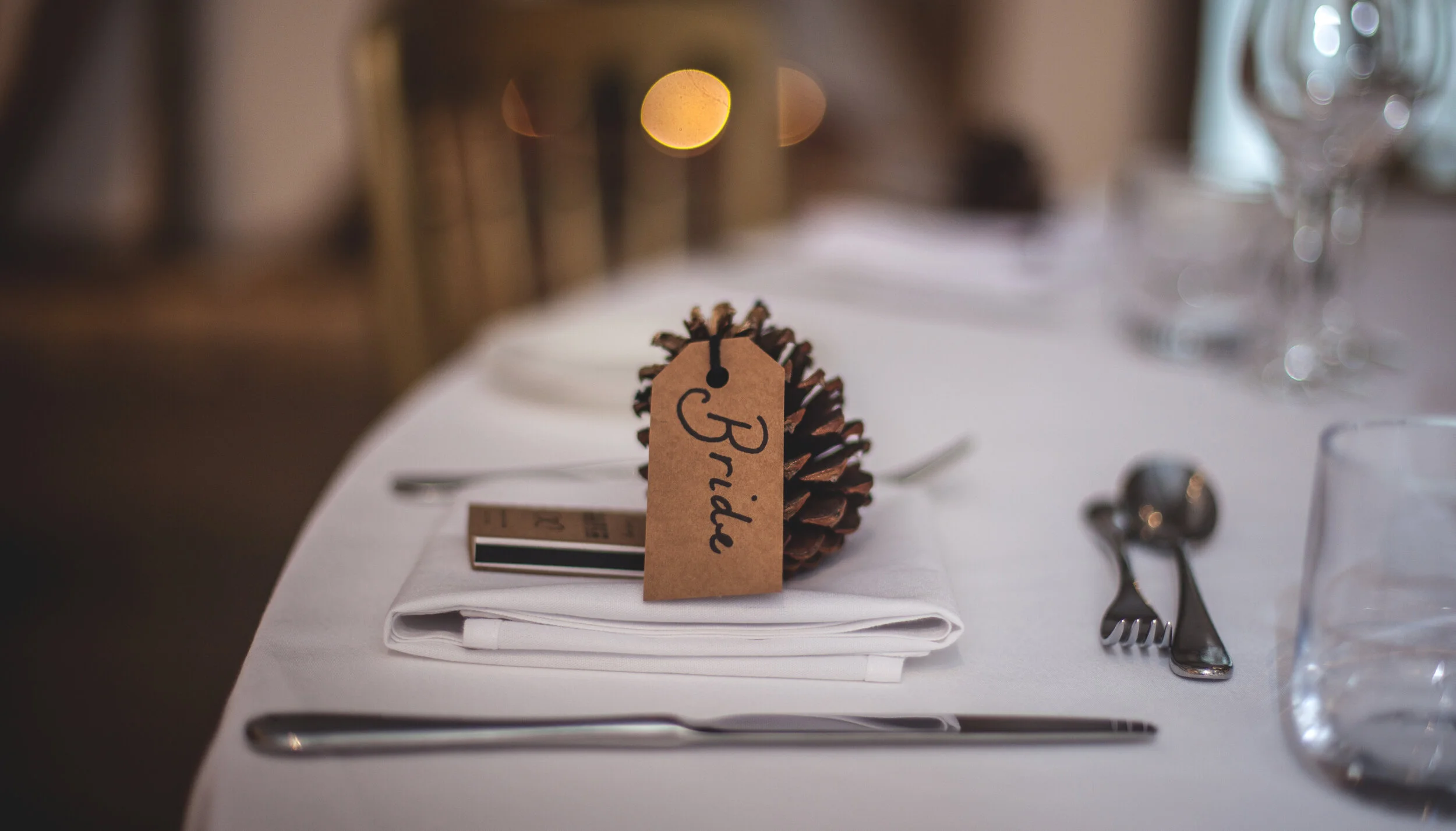
Again, the aesthetics of the invitations completely depend on your taste. If possible, it is ideal to have your invitations aesthetic inline with your wedding. Chose colors, shapes, and fonts that are relatively similar to those that will be at your wedding. This will help with a few things. First, this will give guests an idea of what to expect. It can set the tone of formality and give them an idea into color scheme. If you don’t want people to dress in the same colors as your bridal party or vice versa, let them know! Either way, invitations are a great ay to start communicating what those colors will be. Second, photographers love to capture your invitation as a prop on the wedding day. Having this match the overall aesthetic will create for some more cohesive pictures. Again, this is just a suggestion. It is your wedding and there are no rules; do literally whatever you want.
When should I send my invitations?
This will vary depending on a few factors. Some things to consider: when do you need to confirm numbers with the caterer and venue? How many people will be traveling for your wedding? How many people are you inviting (the more people you invite, the more people you will need to track down to confirm RSVP status!!)? For reference, for an average wedding of 150 guests with 33% traveling domestically, you should send the invitations out 2.5 months prior to the wedding, with the RSVP date 1-1.5 months prior to the wedding depending on catering and venue requirements.
When should I have guests RSVP by?
For your own sake, it is best to set the RSVP date at least 1 month prior to your date. Guest count will alter your seat/table count, plate count, party favor count, etc. Never have I ever been a part of a wedding of any size where 100% of the guests RSVP on time on their own without a nudge. Giving yourself some extra time will help alleviate some of the planning that just can’t be done until the final headcount is in. While a month is the minimum, I highly recommend giving yourself at least 1.5 months so you have a full 2 weeks to track people down and get all RSVPs. If you are having a wedding with over 250 guests, give yourself a full 2 months. Even if you are having a wedding of 1,000 don’t give yourself more than 2 months, though. Expectedly, things happen in our guests lives and anything longer than 2 months will allow for too many unforeseeable variables in guests lives and you’ll have to do a lot of adjusting as people’s plans change.
Some great resources to purchase your Save the Dates and/or invitations
There are plenty of boutique vendors that can create incredible custom pieces for you. Everyone will have a different niche aesthetic. If you are looking for something on the less niche and more affordable end check out the following:
www.vistaprint.com
Why I love them- you can really create whatever look you are going for. There are some preset templates you can use if you are ~creatively challenged~ or you can fully customize your own cards if you’re into DIYing the design. Their prints are consistent and good quality. Another huge plus, they are CHEAP.
Pro-tip- Google discount codes before ordering! They are almost ALWAYS running a special. If you can’t find one, create an account BEFORE creating your cards. Save your design and then sit back and wait. Within a week they will email you a discount code.
www.minted.com
Why I love them- Their designs are lovely, their prints are consistent, and they give my clients a discount. Use my code: WEDPLLA for 35% off Save the Dates and 25% off all wedding things.
www.basicinvite.com
Why I love them- My very favorite thing about this site is they offer clear invitations for about $1 each. The next least expensive clear option I have found is $8/each. The price is unbeatable. They offer plenty of other designs or fully customizable blank slate options as well. The prints are consistent and good quality. They allow you to fully customize the invitations and Save the Dates.
Pro-tip- look for discount codes! They aren’t as common as Vistaprint discount codes, but their prices are already lower so it balances out. It is still worth looking for a code though!
Have additional questions? Feel free to reach out via email! theweddingplannerla@gmail.com
As always, happy planning!!