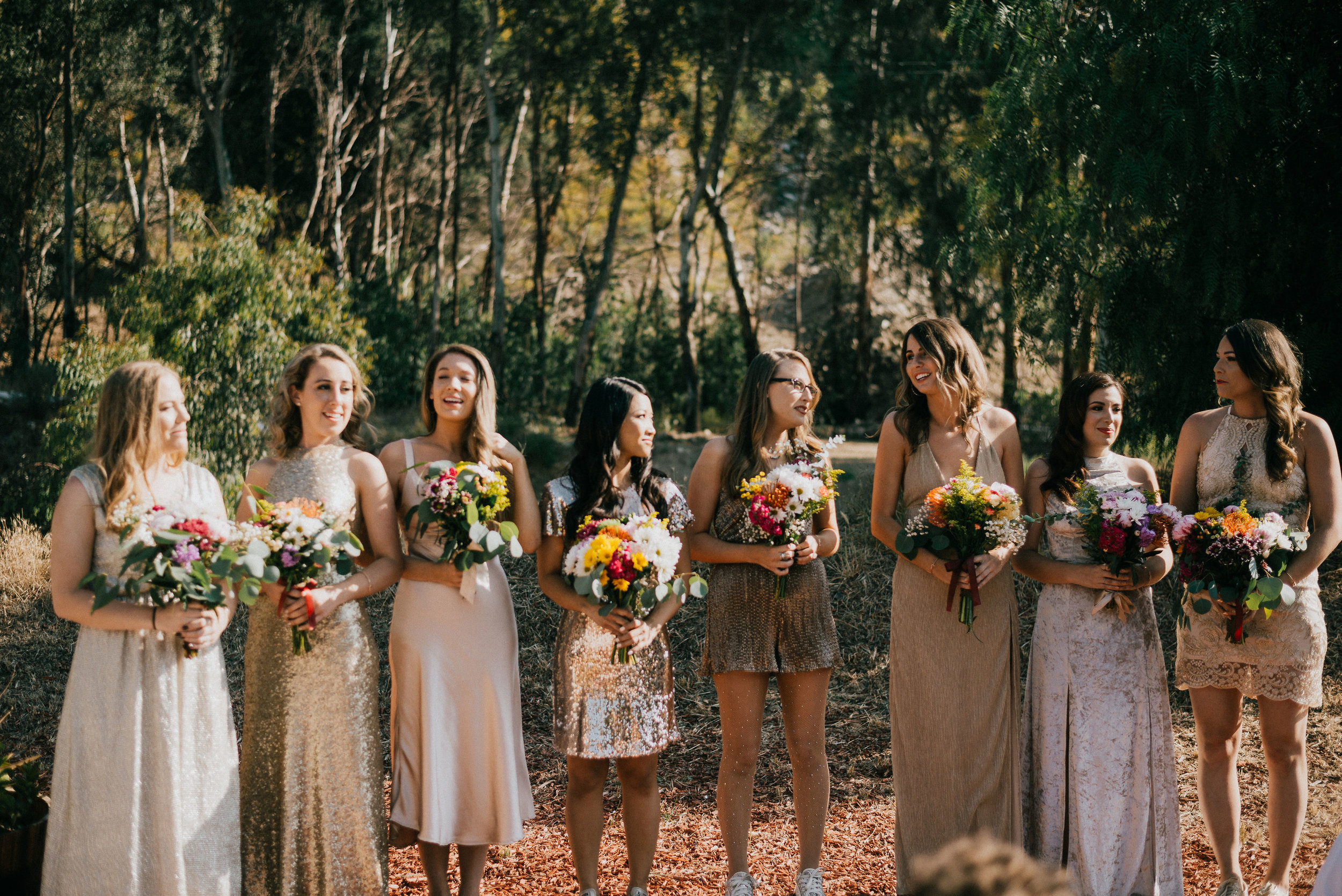

Rehearsal Dinner Planning Guide
Rehearsal dinner usually immediately follows the ceremony rehearsal and is typically the final gathering of friends and family prior to the big day. Below is a planning guide to help you manage the who, what, when, where, why, and how of this event. Follow this guide or share it with the event host for a smooth rehearsal dinner planning experience!
Wedding day is right around the corner! A ceremony rehearsal is always highly recommended and strongly encouraged to take place a day or two prior to the wedding day. During the wedding ceremony rehearsal everyone participating in the ceremony (i.e. formally walking down the aisle, performing readings or songs, leading special ceremonies, etc.) will have a chance to practice what is expected on the wedding day. Everyone will learn where to line up, who they will walk with, the pace to walk, where they will end up sitting or standing, what to do throughout the ceremony, and how/when to recess, or exit, at the conclusion of the ceremony. The ceremony rehearsal is also a great opportunity to share your wedding day timeline, ceremony details, and other pertinent information with your wedding party and other wedding day participants so that everyone goes into the wedding day knowing what to expect.
The wedding ceremony rehearsal is typically closely followed by a rehearsal dinner where the wedding party, close family members, and their significant others gather to enjoy connecting over a meal. As with any event, rehearsal dinners can look vastly different! Some are elaborate enough to rival the wedding, some are casual backyard BBQs, and of course there are plenty in between. No matter your rehearsal dinner vision, the following guide will help you manage the who, what, when, where, why, and how of the rehearsal dinner. Follow this guide or share it with the event host for a smooth rehearsal dinner planning experience!
What is the purpose of rehearsal dinner?
A rehearsal dinner event is intended to gather your wedding party and loved ones in an intimate setting before the big day. This event provides the opportunity to connect with your loved ones and show appreciation for their support and participation in your wedding.
Note that a welcome party and a rehearsal dinner are two separate events. A welcome dinner is open to all guests attending the wedding, while a rehearsal dinner has a limited guest list. It is not necessary, but also not uncommon for both a welcome dinner (or welcome “happy hour”) and a rehearsal dinner to occur, especially for destination weddings or weddings where a large portion of the guest list have traveled to attend.
When should the rehearsal dinner take place?
Rehearsal dinner typically occurs directly following the wedding ceremony rehearsal. This means that it will take place either the night before or a few days prior to your wedding. While it is called “rehearsal dinner” it doesn’t necessarily have to be a dinner. A wedding ceremony rehearsal scheduled early in the day might be followed by a rehearsal brunch or lunch inlieu of a dinner. Less formal rehearsal gatherings, like a rehearsal “happy hour,” are likely to occur either before or after a standard dinner hour.
Pro-tip #1: Know your guests and plan accordingly. A group that enjoys drinking can benefit from the rehearsal dinner taking place two days before the wedding instead of the night before to minimize the risk of anyone feeling unwell the morning of your wedding. If this isn’t an option, limit the alcohol provided to wine and beer only.
Example rehearsal dinner planning timeline-
6 months prior to the wedding-
Create a guest list for the rehearsal dinner
Decide on the general “feel” for your rehearsal dinner (formal, casual, something in between?)
Contact ceremony venue and confirm rehearsal date (note that some venues will not confirm this date until closer to the wedding, which would impact this planning timeline)
Find & book a venue to host the dinner
3 months prior to the wedding-
Consider how you want to invite your guests to rehearsal dinner
Order invitations
Book a florist
Book a photographer
2 months prior to the wedding-
Send out invitations to rehearsal dinner (send these sooner if a lot of guests are traveling so they can book travel arrangements accordingly!)
Have a tasting with the venue & confirm the menu
Book a musician
1 month prior to the wedding-
Source wedding party gifts
Design & source a welcome sign, seating chart/place cards, printed menus, table numbers, etc.
Select personal attire for rehearsal dinner
Pro-tip: it is a good idea to wear your wedding shoes to the wedding ceremony rehearsal. If you will not have an opportunity to change your shoes between the ceremony rehearsal and dinner, plan your rehearsal dinner outfit accordingly!
1 day(ish) prior to the wedding-
Host wedding ceremony rehearsal
Attend rehearsal dinner
Who hosts the rehearsal dinner?
While, traditionally a groom’s parents take on this task, the host can be anyone! Only the wedding party members should not host the rehearsal dinner, as this is an event to appreciate and celebrate them as much as it is to celebrate your upcoming wedding. Fortunately, it is common for someone to offer to host the rehearsal dinner. The cost of the rehearsal dinner is covered by the host, which can make asking someone to take on the responsibility of the rehearsal dinner awkward. If no one is volunteering, there are no rules saying you cannot host your own rehearsal dinner!
How should I invite people?
As always, there are no set rules. Mailing formal invitations when time and budget allow, but, baring the scale of the event, are not necessarily a must! Since the guest list is typically just those absolutely closest to you, invitations can easily be sent via email or evite hosting platform, especially for particularly tight planning windows and/or small guest lists! It is worth noting that individuals of older generations tend to be more committed to tradition and might consider formal invitations a requirement.
No matter how you choose to spread word about the party, the invitations do not need to be as robust as the wedding invitations. A one page invitation, detail card, and RSVP card (with pre stamped return envelope) is typically going to be the absolute most a rehearsal dinner invitation suite might include, though the standard is a simple postcard invitation.
Who should be invited?
Who you invite depends on the scale of the event you are planning to host. An intimate rehearsal dinner will typically have a guest list limited to the wedding party, wedding ceremony participants, close family members, and their significant others. A more elaborate rehearsal dinner might be open to all extended family in addition to the wedding party and wedding ceremony participants. In any situation, guests are expected to be granted a plus one when they have a significant other and/or have traveled from out of town with a wedding date.
What information should the invitations include?
As always, names, date, location, and time will need to be included on the rehearsal dinner invitation. The host should also specify what kind of refreshments can be expected (appetizers only, full dinner, hosted bar, BYOB, no alcohol, etc.) Be sure to include the time and location of the actual ceremony rehearsal, too!
The rehearsal dinner host may also want to include their name and that is totally fine! People will often word the invites “The parents/aunt/cousin/friend/etc. of X invite you to the wedding rehearsal of their daughter/son/other to [Fiance name here] [list time and location]. Dinner to follow [list time and location].”
Information at a glance:
Couples’ names
Event date
Ceremony rehearsal time
Ceremony rehearsal location
“Dinner to follow at……”
Rehearsal dinner time
Rehearsal dinner location
Where should the rehearsal dinner be hosted?
It is rare, though not unheard of, for a wedding venue to offer their clients the option to host a rehearsal dinner on site following the wedding ceremony rehearsal. It is more typical for a rehearsal dinner to be hosted at a restaurant, venue, private residence, or park nearby. Most commonly rehearsal dinners are held at a restaurant near the wedding ceremony venue for a convenient guest commute following the wedding ceremony rehearsal. Choosing a private room in a restaurant simplifies the planning efforts since they tend to be very inclusive (i.e. in house catering, tables, chairs, flatware, plates, napkins, drinkware, bar, centerpieces, etc.). If a restaurant is not feasible, a backyard get together or park gathering is not out of the norm! The formality and scale of any rehearsal dinner depends on the host’s preference, and anyone considering alternative options to a restaurant or event venue is not necessarily committing to a more casual event. A rehearsal dinner held at a private residence or park has the same potential to be particularly fancy as it does particularly casual. The ultimate location selection depends on the size of the guest list, available options within a close proximity to the ceremony venue, event vision, and budget.
What should we do at the rehearsal dinner?
Eat, drink, and socialize! The rehearsal is a great opportunity to distribute gifts to the wedding party and close family members. It is also the perfect time to allow loved ones who will not be giving toasts at the wedding to say a few words to honor your marriage.
Is a full meal expected at the rehearsal dinner?
YES, guests typically assume rehearsal dinner will provide a meal unless told otherwise! While it is expected, you do not have to include one. You do, however, have to communicate this to guests so that they may plan accordingly.
Rehearsals are typically a nicer meal, but that doesn’t mean yours has to be. A backyard BBQ or quick pizza party is completely acceptable! If the host wants to go all out and provide a full 5 course, sit down dinner, that is fine, too. As long as they are paying for it, and you are comfortable with it, there are no right or wrong answers as to what should be served.
What should be included in the budget?
This completely depends on what the budget allows for and what the host chooses to include! Below are some typical things to consider budgeting for:
Event Planner & Coordinator
Venue
Catering
Tables, chairs, plates, cups, flatware, napkins, etc.
Bar
Cake/dessert
Invitations
Decor
Miscellaneous
That being said, every rehearsal dinner looks different. One might be an event to rival the wedding while another might be a simple kickback with beers on the beach. It isn’t the details that make a rehearsal dinner- it is the intention, the connection, and the celebration!

32 Questions to Ask A wedding Coordinator & Everything Else to Know Before Booking
When selecting a wedding coordinator is it important to find a professional who is willing to take the time to fully understand your vision in order to perfectly execute your plan! If you can find someone who is up for the task, you will walk into your wedding venue and see the beautiful plans you made in your head laid out perfectly before you!
In order to gauge if a professional has the ability to accomplish this, there are several questions that can be asked prior to booking to effectively vet the professional you are interested in.
Planning a wedding takes time, vision, and a lot of determination. Wedding planning’s reputation of being a bit challenging isn’t unfounded, and that reputation is the exact reason wedding planners have jobs! Of course, there are still plenty of reasons couples might choose to forgo a wedding planner and bravely take on this task on their own. If you are one of those individuals to have planned their own wedding then KUDOS TO YOU!!! When the day comes, all of the effort will be worth it when you finally see everything you have worked and dreamed so hard for, come together. On your wedding day there are so many moving pieces that need to be managed while you are busy getting married and celebrating with your loved ones! Enter stage left: your wedding coordinator! A wedding coordinator will step in to take care of all the logistical elements to your wedding, allowing you the space and peace of mind to fully enjoy your special day.
Day-of wedding coordination packages come in many shapes and sizes, so it is important to find a professional who fits your unique needs. A quality coordinator will take the time to fully understand your wedding vision, the role you need them to play, and communicate whether or not they are able to accomplish your wedding needs. Feeling confident in the professional coordinator you ultimately select will put in the effort to execute your wedding plan perfectly to your instruction is an investment in peace of mind! When you find the perfect coordinator, you will walk into your wedding venue to find all of those pieces you’ve worked so hard to plan have fallen into place and breathe easier throughout your celebration knowing the management aspect of the day is in good hands.
In order to gauge if a particular professional coordinator has the ability to meet your needs and accomplish your wedding goals, there are several questions that can be asked prior to booking to effectively vet wedding coordinators you are interested in.
Please note- some of the following questions may be answered on a professional’s website or in initial email communications. Avoid information fatigue by carefully selecting questions to ask potential coordinators that are relevant to your needs and plans from the list below!
WEDDING COORDINATOR Vs. WEDDING PLANNER
A wedding planner lives up to their name! They plan your wedding, either for you or along side you depending on the professional and the level of support you require/prefer. While there are variations of service inclusions between professionals, they generally are there, at least in some capacity, for every step of wedding planning: design, budgeting, planning pacing and tracking, vendor research & selection, mapping logistics, building a floor plan, building a day-of timeline, acting as a liaison between you and the vendors, and, of course, they’re there to ensure your wedding reflects YOU! Wedding planners are typically booked early on in the wedding planning process OR if a couple has begun planning but find they need support to complete the wedding plan.
A wedding coordinator is present on your wedding day to ensure all of the wedding plans come together. A wedding coordinator is perfect for couples who have found their venue & all of their vendors, thought through the vast majority of wedding day logistics and simply need someone to step in on the actual wedding day to run the show so they and their loved ones can focus on celebrating and having fun instead of working. On a foundational level, a wedding coordinator’s primary function is to serve as a guru of, voice to, and advocate for your wedding plan. A wedding coordinator is the point person ensuring the timeline is running to plan, navigating all vendor logistics, and proactively approaches challenges so that they may be addressed and resolved with little to no one being the wiser. The day of coordinator and oversee the execution of the day while acting as the liaison between the plan, the vendors, and you. Usually a day-of coordinator is booked anytime from 1-18 months prior to a wedding and begins works closely with a couple anywhere from 1-4 weeks prior to a wedding to become familiar with the wedding plan so that they may collect adequate information to preform their role to the best of their abilities.
wedding coordination Services-
Standard Package-
Collects pertinent wedding day details from client (i.e. floor plan, order lists, vendor contact information & contract parameters)
Creates a Wedding Day Timeline
Connects with wedding vendors prior to the wedding day
Typical minimum connection includes:
Distributing the timeline, floor plan, & other pertinent prior to your wedding
Collecting copies of insurance (and other documents required by a venue) from vendors & passing this information along to the venue
Serves as the event manager, ultimately becoming the voice and advocate of the timeline and logistical plan.
The wedding coordinator is the liaison between the wedding timeline & plan, the vendors, you, and your guests. This typically includes of all the vendors on the day of the wedding to ensure everyone arrives on time, sets up where they are supposed to, follows any house rules provided by a wedding venue, and acting as the liaison between the couple and vendors to follow the timeline
Proactively faces challenges and problem solves through any hiccups that may occur
Common, but not necessarily expected additional package inclusions-
Attends a venue walkthrough prior to the wedding (especially if they are unfamiliar with the venue)
Reminds clients of key deadlines
Creates a floor or supports in creating a floor plan
Communicating with vendors on your behalf regarding specific details pertaining to your wedding
Organizes final meetings between you and the vendors where appropriate
Schedules or reminds to schedule certain final meetings with vendors
Provides proactive insight into what information to prepare for final vendor meetings
Provides insight into what information is necessary to gather during any particular final vendor meeting
Confirms contract details are inline with wedding day timeline, venue rules, and client expectation
Coordinates Wedding Ceremony Rehearsal
Coordinator collects wedding ceremony details (i.e. participant names, walking order, song choices, song cues, seating charts, etc.)
Coordinator is physically present during wedding ceremony rehearsal to ensure everyone is informed of the plan & manage the wedding ceremony rehearsal by:
Informing wedding ceremony participants of the plan
Lining participants up
Cuing participants for processional, ceremony key moments or special ceremonies, and recessional
Providing an emergency bridal kit with a variety of items that commonly prove to be necessary at weddings
Providing certain small decor items
Decor set-up & breakdown (minimal decor set-up is often included, though anything beyond very basic decor set-up crosses over into the territory of a wedding decorator’s services. Wedding coordination and wedding decoration are two separate services provided by separate vendors. IF a wedding coordination team is able to provide event decorating, they will typically have higher priced packages in order to provide a larger staff to accomplish decor setup/breakdown and standard coordination efforts.)
Not common, but an asset if included-
Assessing & offering feedback on vendor contracts
Collecting final payment information from vendors including:
Payment date with vendors
Preferred payment method of vendors
Number of vendor meal required (and dietary restrictions!)
Reviewing order lists with rental companies, florists, caterers, etc. to ensure everything your event requires is accounted for
Discussing details to ensure you’ve got everything for the day-of covered even outside of ceremony & reception prep, execution, & clean-up, including items like:
Getting ready space amenities (i.e. number of mirrors, outlets, fridge access, cleaning plan)
Food & drink plans
Travel plans
Parking logistics at varying locations
Provide a specialized timeline for the wedding party and family members
Full decor set-up and break down of small decor items
Extensive & specific decor creation or inclusion (i.e. sign creation, menu & placard creation, large rentals including tables, chairs, etc., decor extending beyond table numbers & candle votives, etc.)Questions to ask a wedding coordinator before booking-
Questions to ask a Wedding Coordinator before booking
The Basics-
Are you available on my date?
How much do your services cost?
What services do you offer, what are the differences between your packages, and what package will be the best fit for my needs?
Are there any additional fees?
Experience & Expectations-
How long have you been a wedding coordinator?
How long have you been a wedding coordinator in my area?
How many weddings do you take on in a single weekend?
Will you personally be at my event?
What would you say your wedding coordinating “style” is? If a wedding planner or wedding coordinator is unsure how to answer this question, a good follow up question is: what tone do you take when advocating for your clients? (Hint: the goal of this question is to gain insight into whether or not someone’s work style in compatible with yours. Are you are quiet and need a firm advocate? Or are you calm and need someone to match that energy? Or are you anxiety prone and looking for someone that can satiate your worries? This is the chance to feel out if someone is a good fit for you!)
Tell me about a wedding that you are particularly proud of how. During this wedding, what were the greatest opportunities to showcase your skills?
What is your experience with problem solving? (Pro-tip: ask this question in this elementary language to allow space for the professional to provide their own answer without providing any specialized or guided vernacular. If we asked “Are you solutions-oriented when faced with challenges?” The answer is almost always going to be yes, but provides little insight when guided in this way).
Can you give me an example of something that went wrong at a wedding and how you handled it?
If we run into any issues throughout the planning process, what level of advocacy can we expect from since we are booking a day of coordination package?
How much access will I have to you throughout the planning period?
After I book, what are the next steps to working together?
When will we begin working together regularly?
Package Questions-
With the day of coordination package, do you offer any support prior to the wedding day?
Will you collect, organize, and distribute important information such as vendor insurance info, vendor balances & due dates, vendor meal requirements, etc?
Will you attend venue walk throughs, vendor meetings, etc. throughout the wedding planning?
Will you create a day of timeline?
Will you provide the other vendors with this timeline? If so, when will this timeline be created and sent to the other vendors?
Will you create a timeline to provide to the family and bridal party? If so, when will this be created and distributed?
How many assistants will be present on my wedding day?
Do you include decor set up and breakdown in your package? Are there any limitations to this?
Will you help manage vendors on the day-of including arrival, set-up, timeline management, and breakdown times?
How much communication do you typically have with the other vendors leading up to the wedding date?
Will you take care of payment for outstanding balances on the wedding day? How does this process typically look when working with you?
Do you provide an emergency bridal kit in case something unexpected arises?
What kind of items are in the emergency bridal kit?
Will the provide additional resources that may be beneficial to you throughout your planning process?
The Logistics-
Do you have insurance to provide to a venue if necessary?
Do you require a vendor meal(s)?
If we have any issues with vendors following the wedding are you able to advocate for us as a day of coordinator?
Do you have any references?
Things to consider when looking for a wedding coordinator-
You more or less get what you pay for- If someone quotes you $700 promising the same services another professional is quoting at $4k, there is likely a large difference in experience and service quality. This isn’t necessarily a guarantee that the quality of work will be significantly lower, but it is a very likely. Always check reviews- especially if something sounds too good to be true!
Day-of coordination vs. month-of coordination- While “month-of” coordination is often lumped into the “day of” coordination category as an upgrade, it is an entirely separate service that meets a different list of needs. Month-of coordination is ideal when there are intricate logistical details, extensive decor/design set up, or other unique features that might make a wedding deserving of more preparation time. A month of coordinator will begin working with you closely in the weeks immediately preceding your wedding to properly coordinate with vendors and manage the day successfully. They will need to create your timeline (or at least have the opportunity to review it), connect with vendors about arrival times and accurate contact information, discuss design detail with you, review order lists from other vendors, etc. There are a lot of small moving pieces, even with the simplest of weddings! Hiring the appropriate service for your unique event needs is key to ensuring everything comes together without a hitch!
Some day-of coordinators are strictly day-of only- It can be challenging to jump in essentially blind on the wedding day with nothing but a timeline and vendor contact list provided by the client, however -albeit rare- some small number of coordinators do this. They are typically a lower cost and don’t provide the same level of service of someone who spends time getting acquainted with the plan prior to the wedding. These coordinators are hard to find, because it truly is not a method that will consistently set the professional up for success, though is effective enough in the right setting. The professionals who offer this kind of service are typically either inexperienced and/or offer a very “bare-bones” approach to their day of coordination packages. If you feel that your wedding is extremely straightforward and are looking for a day-of service only, it is always a safer choice to select someone who will at least meet with you beforehand to discuss details. Even if it seems on paper that a true day-of only coordinator would be adequate, some level of preparation is still likely necessary to truly achieve your vision- there is a reason it is a rare form of service to find!
Not every package will include the same amount of support- As extension to the last point, coordinators have a very wide range of what will be included in their packages. Some wedding coordinators will do all of your decor set up and break down. Some will only communicate and coordinate with vendors and nothing more. A lot of wedding coordinators will do something in between. Make sure that you are realistically considering what kind of service you will need before booking!
Maximizing Coordination SErvices
What to do after booking to ensure you are getting the most out of your wedding coordination team.
Ask how often you can expect your wedding coordinator to touch base. Day-of coordinators typically will reach out roughly a month prior to your wedding, but depending on the specific coordinator, the contracted parameters you’ve agreed to, and how far in advance you’ve booked they may reach out later or even intermittently throughout your planning process to check in. Knowing what to expect is key.
Discuss what resources your day-of wedding coordinator will provide and familiarize yourself with what additional wedding planning support they offer. While it is typical for wedding coordinators contracts to limit support to the time period immediately preceding your wedding, many coordinators provide resources such as preferred vendor lists, planning tools/resources, and even planning feedback before the contracted services begin. Certain coordinators (our team included) make themselves available to answer questions regarding general vendor recommendations, reviewing vendor contracts, and discussing certain logistics. It is common for wedding coordinators to also offer wedding planning services, which makes them a wealth of information and incredible wedding planning resource, but be mindful of the services included in your coordinator’s package and aware that certain inquiries might extend beyond the service type you have agreed to. If what you are asking is beyond the bounds of your specific contract, the coordinator is likely to let you know and redirect you towards the appropriate vendor for whatever support you are requesting or give you the option to upgrade your package.
Discuss what wedding day related information they require you to provide and when they need to receive this information. Wedding coordinators will typically need all of your vendor contact information, vendor contracts, “house rules” or venue protocols, a floor plan (unless they include the creation of this in their package), order forms from rentals, florals, caterers, etc., a list of decor you are personally providing, the ceremony information (i.e. walking order for the processional, seating plan for immediate family/VIPs, etc.), and a timeline (unless they include creation of one in their package). Depending on the specific coordinator you have booked, they may require more information.
Proactively organize! Keep all vendor contact & contract information in an easy to access file for simplified sharing with your wedding coordinator. This will streamline the communication on this topic and allow for more time and focus preparing together with your coordinator to go towards the finer wedding day details.