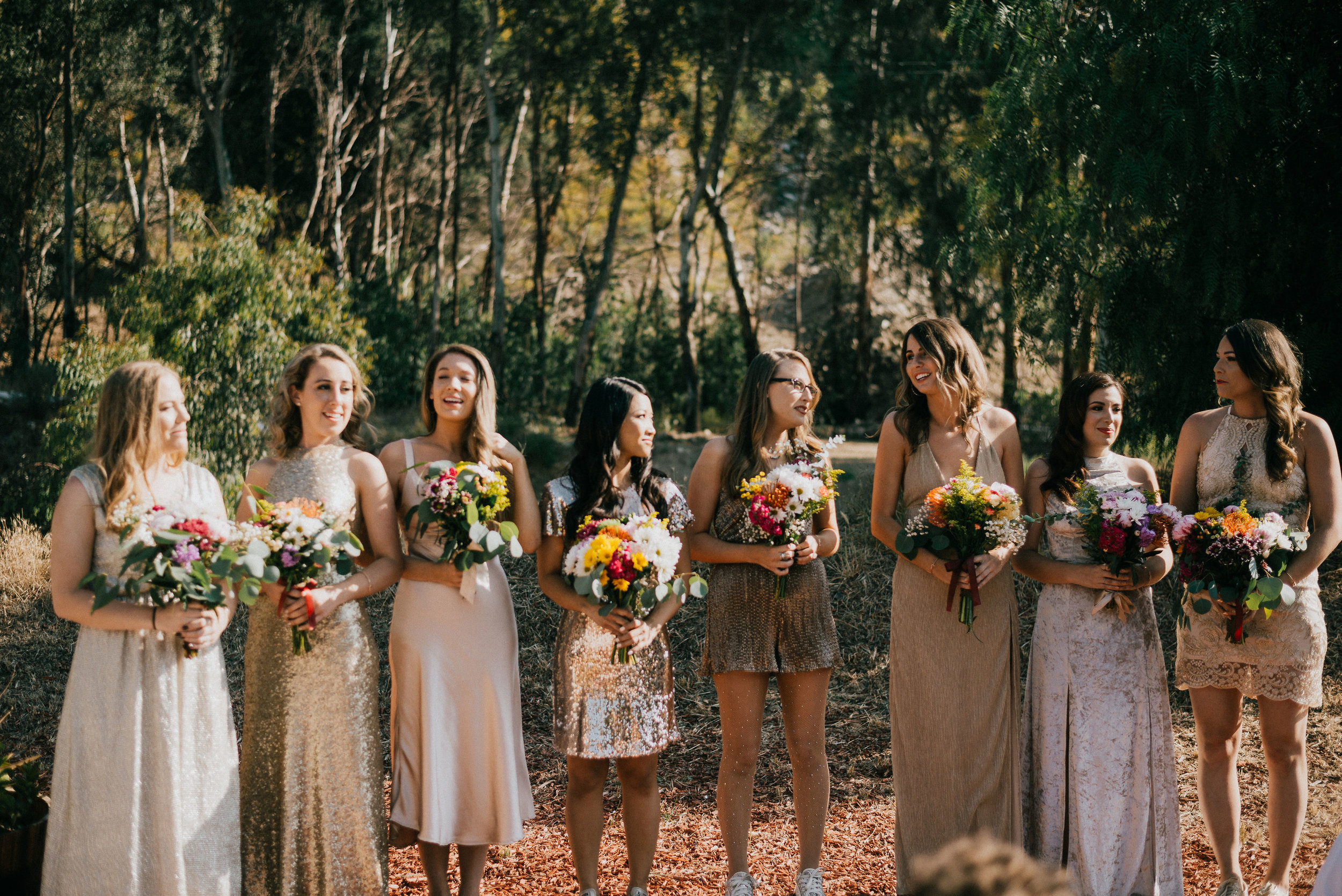

Wedding Planning Tips
Wedding planning has so many moving pieces. Feel confident and worry free by following this list of tips and tricks!
Wedding planning is an exciting and unique journey. There are so many ways to make the planning process smooth and stress-free. Below are 32 of our favorite ways to keep the planning process fun!
1. Budget is a great starting place
Whether you are working with a $3k budget or a $300k budget, knowing your maximum budget will help guide all other aspects of planning your wedding. Come up with an overall number that you and your fiance (or whoever is funding the wedding) are comfortable with, and then do a little research to feel out how this money should be divided up amongst the many wedding vendors. Click here for a guide to building your wedding budget breakdown!
2. Guest count matters
If money truly is not an object, then guest count should be the first step to planning. Knowing how many guests you need to comfortably accommodate will help you select a venue, caterer, food service style, bar, sound system, etc. Guest count will have a huge impact on the overall budget. As you create your budget breakdown, play around with the guest count to see how it will affect the way money is allocated.
3. Consider outside factors that may affect guest and vendor availability
There are often a lot of factors to consider when thinking of a wedding date. It is fairly common for couples to go into wedding planning with a date already in mind. Before becoming too attached to any particular date, consider what other events are happening around this time that might affect guests ability to make it and overall vendor availability.
For example, if your town is hosting a wine festival on July 25, many local vendors might be booked to participate in this event. An event like this might draw a lot of visitors from out of town, making finding a hotel room or even reasonably priced flights harder to come by for guests. Not to mention, even your in town guests might already have pre-planned to attend the alternative event!
4. Check the weather!
Weather has the ability to drastically alter how your day will go and add a lot of unplanned expenses. A particularly windy day at an outdoor venue can cause a lot of problems! If the weather is too hot or too cold, guests might not be inclined until the end of the event. While it is always good to continue to check the weather and make reasonable climate control attempts (i.e. umbrellas, tents, heaters, etc.) picking a date that is generally at a time when the weather is temperate will save you a lot of stress throughout the planning process!
Pro-tip #1: You can Google any date and find the weather trends on that exact date for the last few hundred years. Of course, this can’t guarantee the exact weather on your wedding day, but it can at least give you a little insight into what the weather will likely be.
5. The sunset waits for no one
The sunset will happen when it happens. You can’t control it, so plan for it! In order to get those amazing golden hour shots, shape the rest of your event around this opportune time! Sunset is important for more than just aesthetics, though! When the sun goes down, the overall climate will change, and accommodations may be needed to keep guests comfortable for the duration for the celebration!
Pro-tip #2: Google what time the sunset will be when planning your timeline! Google knows all, so even 18 months away from your wedding date you can look up exactly what time the sun will be setting on your wedding day. Having this time in mind will make it easier to map out when certain events should occur.
6. Consolidate spending and rack up credit card points!!
Opening a specific credit card for wedding related expenses is great for several reasons. First, if all the expenses are made in one place it will be way simpler to track spending. It will also be easier to communicate these expenses to other people who might be financially invested in your wedding. This is also a great opportunity to rack up some points! Weddings are a huge expense, so you might as well get something in return! If you rack up enough points you may just be able to pay for your honeymoon!
7. Take vendor recommendations
There is no need to reinvent the wheel! Wedding professionals spend every weekend meeting and making connections with other amazing vendors. Vendors are highly likely to suggest vendors they only truly feel confident in, as they are putting their own reputation on the line by offering these referrals.
8. Guests = Money
If you find yourself looking to cut costs, cut the guest list. Each guest costs money to host, so if you find yourself in a financially tough situation, take another look at the guest list! This is just another great reason why starting with the budget is ideal. By taking a careful look at how much money you can spend on the wedding you will have a clear understanding of how many guests and at what cost per person will work for you!
Pro-tip #3: Make sure that you have a very clear handle on the budget before sending out invitations. This way if you need to cut the guest list you don’t have to officially uninvite anyone!
9. Advocate early for yourself
Prior to booking, vendors will be more likely to make modifications to their packages and overall price to earn your business. Once the contract is signed and the deposit has been paid they are typically less likely to throw in freebies, because that isn’t what was in the initial agreement. A lot of vendors are firm on their prices, but many are happy to make custom packages to ensure you are satisfied with what you are signing up for!
Pro-tip #4: When asking for free upgrades or a discount, remember you are asking a favor, so ask nicely! These vendors are professionals which means they rely on your business to provide for themselves and their families. While they may want to accommodate your budget, they may not be financially able to do so.
10. Stay organized throughout planning
Staying organized will help keep planning on track and fun. There are many approaches to wedding organization, but no matter what method works for you, stick to it! Update your information regularly, keep everything in one place, and check in on your to-do lists often! For a full list of tips and tricks on staying organized, click here!
11. Chunk out your planning
Remember in school when your teachers would write out the big goals of the day and the smaller tasks you’d do in order to achieve these goals? Well, they were really onto something! Break down your to-do list into sections to make planning more manageable, easier to track, and more rewarding! Click here, for some useful tips and an idea of how to build your own planning timeline.
12. Draft of your day-of timeline early on
Create a rough draft of your wedding day fairly early on in your wedding planning process. Map out how you would like the day to be paced and what time you’d like major events to happen. This may (and probably will) change quite a bit as your plans shift, but having a general outline will help you menally prepare and offer guidance as you book vendors. When it comes time to sign contracts with vendors they will want to know a start and finish time. Certain vendors (like your venue, bartenders, photographer, videographer, and DJ) will have packages that include a certain amount of hours. Having a rough draft of your timeline will give you a better idea of how many hours you need them onsite.
13. Stock your bar...
...with the appropriate amount of bartenders. Avoid long lines at the bar by hiring an appropriate amount of staff for your guest count. Typically for a simple bar (beer, wine, 1-2 pre batched cocktails), you need one bartender per 50 guests to keep the line down. If you are having a fully open bar where guests can order whatever drink they want you will need an extra bartender or two to make sure guests are taken care of in a timely manner.
Pro-tip #5: Take the bar size into consideration. If your venue has a smaller physical bar space, hire an amount of bartenders that make sense for the space. If you are having a large wedding with a small physical bar space, consider renting a second bar to keep the line under control! Small bar lines = full dance floor!
14. Plan for the un-plannable
When going through your budget, make sure to leave some “flex” money for miscellaneous items that may pop up over the course of planning. There are almost always unforeseen expenses that usually aren’t discovered until money has already been spent in other areas. Instead of feeling like you have to blow the budget on these items, anticipate them!
15. When in doubt, ask your professionals
Wedding professionals spend a lot of time at weddings and have gained a lot of valuable insight over their years of experience. Your wedding professionals are usually very well versed in what seemingly simple touches can make the day run smoother! Take their advice into consideration. If it works with your vision, great!
16. Postage points
After carefully researching and designing the perfect invitations, no one wants to stick an ugly stamp on the envelope. Instead of choosing from the limited options available at the post office, consider ordering your stamps online at USPS.com.
Pro-tip #6: Weigh your invitations before you send them out so you can be confident the postage attached is adequate to get your invitation to its destination. If you have an oddly shaped envelope, be sure to ask at the post office about the best method and postage amount to ensure delivery.
Pro-tip 7: Pre-stamp your return RSVP cards. Guests are more likely to quickly send their RSVP cards back if they are pre-stamped.
17. Not all the guests will be able to attend, and that is okay!
Things happen and not everyone will be able to attend your wedding. This is okay! On average about 15-20% of invitees won’t be able to attend. It doesn’t mean they don’t love you! Just remember, guests cost money, so even though you’d love for everyone to celebrate with you, saving money is a huge silver lining to the “No” RSVPs. Alternatively, this will open up a few spaces for the friends that you thought you might not be able to invite.
18. Be consistent with the kiddos
Adults only weddings are becoming more and more common, but there is still a lot of grey area on what that exactly means. A lot of “adults only” weddings will still have a few rugrats running around for any number of reasons. When you send out your invitations specify the kid restriction. You have four options: all kids are welcome, "adults only," immediate family kids only, or you can invite everyone to bring their children and provide childcare for the kids, either at the venue, in a hotel room, or in someone’s home. Consistency is key, though! If you allow some friends to bring children, it is best to allow everyone to bring their children. (Immediate family and kiddos in the bridal party are an exception!)
19. The A, B, C’s to your guest list
This is not a fun guideline to suggest, but it is a good one to follow. When preparing your guest list, separate the list into 3 sections: your “A listers” (the people that are invited no matter what); the “B listers” (the people who you hope to invite if there is enough room); and the “C listers” (the people you want to invite, but will only invite if people from one of the first two lists drop out). This will make cutting down your guest list a lot easier if it becomes necessary down the road. It will also help you prioritize your budget. If having everyone from all three lists is important, allocate money in such a way that this is possible!
20. Limit the plus ones
Considering you are mapping out an A, B, C guest list and trying to track a budget, you do not need to allow every guest a plus one!
A general rule of thumb, if a guest is married their significant other needs to be invited. Even if you don’t include a section for a plus one on their RSVP, their significant other’s invitation is implied. If, for whatever reason, a significant other is not invited that needs to be explicitly communicated to your guest.
Aside from married couples, it is nice to allow guests who may not know a lot of other attendees a plus one. If someone is requesting a plus one and you simply can’t accommodate the other person, just let your guest know that you’ve already had to make difficult decisions about your guest list and you don’t have the room (or budget!)
For everyone else, they should not expect to be allowed a plus one unless specified on the invitation.
Pro-tip #8: Try to avoid mentioning budget as a restriction unless the situation specifically makes sense to bring this up. Guests will offer to pay for their plus one in lieu of not bringing one which doesn’t really solve your problem if your real issue is space or simply not wanting strangers around for an intimate celebration.
21. Guest transportation
Providing guest transportation to and from a hotel is always nice, but it isn’t expected nor is it necessary if your budget is starting to be stretched a little thin. If faced with a choice, it is best to either skip it completely or provide transportation for everyone. Having one or two shuttles to take a portion of guests (bridal party and immediate family not included), but not the rest of your guests can be confusing. Guests may see a shuttle leave and wait for another one, that isn’t coming.
Pro-tip #9: If you are tight on money, but want to offer some sort of transportation accommodation, sign up with a ride-share company and provide guests with a discount code. You can pre-set the discount amount and the maximum amount you are willing to cover.
22. Room blocks and your budget
If you have a lot of out of town guests it is nice to find a hotel in close proximity to your wedding venue for guests to stay during their visit. Setting aside a room block will often allow guests to book at a lower rate than finding a place on their own.
That being said, a lot of the hotels that offer room blocks will hold you financially accountable for the unbooked rooms in your block. If possible, avoid this kind of arrangement! If this is your only option, only set aside enough rooms for your immediate family that you know will be booking or skip the block completely! You can typically add rooms later on if necessary, though they may be at a different rate than the initial block.
Pro-tip #10: If there is a large event taking place nearby on the weekend of your wedding, a room block is crucial to guarantee guests can find accommodations!
Pro-tip #11: Avoid being held financially accountable for unbooked rooms in your blocks by not making a block, but instead suggest a few nearby hotels for guests to choose from. This takes the guesswork out of the hotel search for guests, but will potentially save you a massive added expense.
23. Document everything in writing
Chances are, leading up to the wedding day you will have a lot of discussions with your vendors about small details that aren’t included in your contracts. In order to track the information being shared, and ensure that all of the details are covered, make sure everything is in writing.
There are often several people working with each company you have booked for your wedding. Having everything in writing will keep information consistent between individuals within the company.
Even if you have discussed something several times over the phone, send a follow up email outlining the details you need your vendor to take care of on the day of. After sharing the same details with so many people involved with the wedding, it can be challenging to remember exactly who was told what, but having everything in writing is a great way to keep track of this.
24. Think through the day-of set up logistics
Talk to your venue about what time you and your vendors will have access to the space for set-up. Carefully consider how much time and helping hands your decor will take to set up. Remember that if you aren’t hiring outside help, you will need to make sure you have enough vehicles to transport decor, hands to delegate the set up between, and ample time to have everything done and done well! If you are hiring outside help, it is still important that transporting everything to and from the venue has been thoroughly planned and enough hands have been hired to properly set up in the time allotted! Click here for a thorough day of checklist to make sure you have accounted for all of the details!
25. Make it official with your marriage license
Do a little research into the process for applying for a marriage license prior to showing up at your courthouse. Make sure that you know the timeframe before your wedding that you can apply for your marriage license.
On the day-of designate someone to be responsible for storing your marriage license in a safe pre-determined space so that you can send it in and legally be married!
Pro-tip #12: In the state of California, technically, it is the officiant’s responsibility (and legal obligation) to return your marriage license within 10 days of the ceremony. However, if, for whatever reason, the marriage license isn’t returned you are still married. (source)
26. Become well versed in your venue’s policies and protocols
If you are holding your wedding ceremony at a place of religious worship, discuss what expectations the venue has of you and your guests. For example, do they have a specific time that all guests need to be off the property?; how strict are they on ceremony start time?; do your guests need to dress a certain way?; are you allowed to place any decor?; is flash photography allowed?; etc.?
Reception venues (or combined ceremony and reception venues) often have their own policies and protocols that they expect you and your vendors to adhere to. Most venues will provide a list of these rules, but if you are not provided any, ask for a specific breakdown of their policies. This will help you prepare appropriately and protect/mentally prepare you if something goes wrong that would result in the venue charging additional fees.
Pro-tip #13: Venues will often ask for signed copies of their rules from your vendors. If they don’t require this, it is still a good idea to share the house rules with your vendors so they have an opportunity to understand what the venue restricts and requires of them.
27. Discuss your values, and allocate money accordingly
When you begin to breakdown your budget into an outline (see item #1 on this list), typically you will want to start by writing out the full list of vendors that you will need. From there, discuss with your fiance what matters the most to you both and allocate money accordingly. You may LOVE flowers and want to designate a higher percentage of your overall budget towards this! By doing this in the beginning of planning you will help guide your vendor selection and stay within budget.
28. Keep guests engaged by putting yourself in their shoes
The guests are there to celebrate YOU, so make sure they are well taken care of! Prepare an adequate sound system so that they can see and hear throughout your ceremony and reception. Keep them comfortable by providing climate control and offering amenities such as blankets, flat shoes for dancing, and plenty of access to food, water, and shade. Schedule the day so that activities aren’t during high distraction times or too spaced out allowing guests to get antsy. Click here for timeline building help! Think through the day from the guests perspective to ensure everything is engaging, comfortable, and fun throughout the event.
29. Keep contact information handy!
Keep all of your vendor contact information organized and easily accessible on your wedding day. Things happen, and you don’t want to waste too much time tracking down a vendor’s phone number if you need to contact them.
Pro-tip #14: Designate someone as a point of contact for vendors on your wedding day. If you have a coordinator or planner they will be the go-to person for the other vendors. If you don’t have a professional, designate a family member or bridesmaid to be the point of contact so you don’t have 20 vendors calling you with set-up questions on the wedding day. Even if you have a planner or coordinator, it is still a good idea to designate a bridesmaid as a contact for that person!
30. Gals gas gals up; dress shop with your friends
Dress shopping is best when done with a small group. This can be an emotionally taxing process for so many reasons and its best to have a solid support system there to keep you grounded. Make sure to bring honest friends so they can tell you what is flattering, keep your energy up if you start to feel discouraged, and help you stay firm on your budget.
Pro-tip #15: Support is so much more than telling you are gorgeous in everything (we already know that you are!). True support is helping you make a realistic choice based on your budget, vision, and body type. Make sure that the people you bring along are ready to keep your spirits high, but your expectations realistic.
Pro-tip #16: Don’t bring too many people while you are trying on dresses. Ideally, you will have 1-3 people tagging along to your dress appointments. Two main reasons for this: (1) too many people can be distracting. Having voices for guidance is important, but too many opinions will quickly become overwhelming. (2) Most bridal shops have small showrooms so there isn’t a ton of room for a whole gathering. If you do show up with more people than they are comfortable with, the stylist may feel the need to rush you along to clear the space.
Pro-tip #16.5: Call ahead to the bridal shop to see how many people they can comfortably accommodate.
31. Manage your to-do list
Staying on top of your to-do list throughout planning will help you accomplish every nitty-gritty task you have planned. However, when you get down to the wire, don’t push yourself to the point of wedding burn out! In that final month, the smallest little details that somehow managed to slip through the cracks are finally coming to light. Skip the things you don’t truly need, delegate the things you can, and tackle what you really need to do head on! In that final month stretch, you want to be getting excited for the wedding, not pushing yourself to the point where you’re excited for it to be over.
32. Don’t sweat the small stuff
This is the best and most consistent wedding advice you will probably receive. Things may not go as planned. Some things may not go as planned to the point that you will need to address them after the fact. On your wedding day, the most important thing is getting married! Everything else is extra. No matter what happens, as long as you are with the person you love, your wedding day is already perfect! Stay focused on the positives and live in the moment! Chances are, if you are able to focus on all of the best parts, you won’t even notice the little hiccups that may occur!
Pro-tip #17: Hiring a day-of coordinator will offer peace of mind so that you don’t feel the need to look for the small hiccups. You can live in the moment and feel confident that someone else is handling the behind the scenes aspects for you! A great coordinator will take care of everything before you even notice something wasn’t quite as planned!

Rehearsal Dinner Planning Guide
Rehearsal dinner usually immediately follows the ceremony rehearsal and is typically the final gathering of friends and family prior to the big day. Below is a planning guide to help you manage the who, what, when, where, why, and how of this event. Follow this guide or share it with the event host for a smooth rehearsal dinner planning experience!
Wedding day is right around the corner! A ceremony rehearsal is always highly recommended and strongly encouraged to take place a day or two prior to the wedding day. During the wedding ceremony rehearsal everyone participating in the ceremony (i.e. formally walking down the aisle, performing readings or songs, leading special ceremonies, etc.) will have a chance to practice what is expected on the wedding day. Everyone will learn where to line up, who they will walk with, the pace to walk, where they will end up sitting or standing, what to do throughout the ceremony, and how/when to recess, or exit, at the conclusion of the ceremony. The ceremony rehearsal is also a great opportunity to share your wedding day timeline, ceremony details, and other pertinent information with your wedding party and other wedding day participants so that everyone goes into the wedding day knowing what to expect.
The wedding ceremony rehearsal is typically closely followed by a rehearsal dinner where the wedding party, close family members, and their significant others gather to enjoy connecting over a meal. As with any event, rehearsal dinners can look vastly different! Some are elaborate enough to rival the wedding, some are casual backyard BBQs, and of course there are plenty in between. No matter your rehearsal dinner vision, the following guide will help you manage the who, what, when, where, why, and how of the rehearsal dinner. Follow this guide or share it with the event host for a smooth rehearsal dinner planning experience!
What is the purpose of rehearsal dinner?
A rehearsal dinner event is intended to gather your wedding party and loved ones in an intimate setting before the big day. This event provides the opportunity to connect with your loved ones and show appreciation for their support and participation in your wedding.
Note that a welcome party and a rehearsal dinner are two separate events. A welcome dinner is open to all guests attending the wedding, while a rehearsal dinner has a limited guest list. It is not necessary, but also not uncommon for both a welcome dinner (or welcome “happy hour”) and a rehearsal dinner to occur, especially for destination weddings or weddings where a large portion of the guest list have traveled to attend.
When should the rehearsal dinner take place?
Rehearsal dinner typically occurs directly following the wedding ceremony rehearsal. This means that it will take place either the night before or a few days prior to your wedding. While it is called “rehearsal dinner” it doesn’t necessarily have to be a dinner. A wedding ceremony rehearsal scheduled early in the day might be followed by a rehearsal brunch or lunch inlieu of a dinner. Less formal rehearsal gatherings, like a rehearsal “happy hour,” are likely to occur either before or after a standard dinner hour.
Pro-tip #1: Know your guests and plan accordingly. A group that enjoys drinking can benefit from the rehearsal dinner taking place two days before the wedding instead of the night before to minimize the risk of anyone feeling unwell the morning of your wedding. If this isn’t an option, limit the alcohol provided to wine and beer only.
Example rehearsal dinner planning timeline-
6 months prior to the wedding-
Create a guest list for the rehearsal dinner
Decide on the general “feel” for your rehearsal dinner (formal, casual, something in between?)
Contact ceremony venue and confirm rehearsal date (note that some venues will not confirm this date until closer to the wedding, which would impact this planning timeline)
Find & book a venue to host the dinner
3 months prior to the wedding-
Consider how you want to invite your guests to rehearsal dinner
Order invitations
Book a florist
Book a photographer
2 months prior to the wedding-
Send out invitations to rehearsal dinner (send these sooner if a lot of guests are traveling so they can book travel arrangements accordingly!)
Have a tasting with the venue & confirm the menu
Book a musician
1 month prior to the wedding-
Source wedding party gifts
Design & source a welcome sign, seating chart/place cards, printed menus, table numbers, etc.
Select personal attire for rehearsal dinner
Pro-tip: it is a good idea to wear your wedding shoes to the wedding ceremony rehearsal. If you will not have an opportunity to change your shoes between the ceremony rehearsal and dinner, plan your rehearsal dinner outfit accordingly!
1 day(ish) prior to the wedding-
Host wedding ceremony rehearsal
Attend rehearsal dinner
Who hosts the rehearsal dinner?
While, traditionally a groom’s parents take on this task, the host can be anyone! Only the wedding party members should not host the rehearsal dinner, as this is an event to appreciate and celebrate them as much as it is to celebrate your upcoming wedding. Fortunately, it is common for someone to offer to host the rehearsal dinner. The cost of the rehearsal dinner is covered by the host, which can make asking someone to take on the responsibility of the rehearsal dinner awkward. If no one is volunteering, there are no rules saying you cannot host your own rehearsal dinner!
How should I invite people?
As always, there are no set rules. Mailing formal invitations when time and budget allow, but, baring the scale of the event, are not necessarily a must! Since the guest list is typically just those absolutely closest to you, invitations can easily be sent via email or evite hosting platform, especially for particularly tight planning windows and/or small guest lists! It is worth noting that individuals of older generations tend to be more committed to tradition and might consider formal invitations a requirement.
No matter how you choose to spread word about the party, the invitations do not need to be as robust as the wedding invitations. A one page invitation, detail card, and RSVP card (with pre stamped return envelope) is typically going to be the absolute most a rehearsal dinner invitation suite might include, though the standard is a simple postcard invitation.
Who should be invited?
Who you invite depends on the scale of the event you are planning to host. An intimate rehearsal dinner will typically have a guest list limited to the wedding party, wedding ceremony participants, close family members, and their significant others. A more elaborate rehearsal dinner might be open to all extended family in addition to the wedding party and wedding ceremony participants. In any situation, guests are expected to be granted a plus one when they have a significant other and/or have traveled from out of town with a wedding date.
What information should the invitations include?
As always, names, date, location, and time will need to be included on the rehearsal dinner invitation. The host should also specify what kind of refreshments can be expected (appetizers only, full dinner, hosted bar, BYOB, no alcohol, etc.) Be sure to include the time and location of the actual ceremony rehearsal, too!
The rehearsal dinner host may also want to include their name and that is totally fine! People will often word the invites “The parents/aunt/cousin/friend/etc. of X invite you to the wedding rehearsal of their daughter/son/other to [Fiance name here] [list time and location]. Dinner to follow [list time and location].”
Information at a glance:
Couples’ names
Event date
Ceremony rehearsal time
Ceremony rehearsal location
“Dinner to follow at……”
Rehearsal dinner time
Rehearsal dinner location
Where should the rehearsal dinner be hosted?
It is rare, though not unheard of, for a wedding venue to offer their clients the option to host a rehearsal dinner on site following the wedding ceremony rehearsal. It is more typical for a rehearsal dinner to be hosted at a restaurant, venue, private residence, or park nearby. Most commonly rehearsal dinners are held at a restaurant near the wedding ceremony venue for a convenient guest commute following the wedding ceremony rehearsal. Choosing a private room in a restaurant simplifies the planning efforts since they tend to be very inclusive (i.e. in house catering, tables, chairs, flatware, plates, napkins, drinkware, bar, centerpieces, etc.). If a restaurant is not feasible, a backyard get together or park gathering is not out of the norm! The formality and scale of any rehearsal dinner depends on the host’s preference, and anyone considering alternative options to a restaurant or event venue is not necessarily committing to a more casual event. A rehearsal dinner held at a private residence or park has the same potential to be particularly fancy as it does particularly casual. The ultimate location selection depends on the size of the guest list, available options within a close proximity to the ceremony venue, event vision, and budget.
What should we do at the rehearsal dinner?
Eat, drink, and socialize! The rehearsal is a great opportunity to distribute gifts to the wedding party and close family members. It is also the perfect time to allow loved ones who will not be giving toasts at the wedding to say a few words to honor your marriage.
Is a full meal expected at the rehearsal dinner?
YES, guests typically assume rehearsal dinner will provide a meal unless told otherwise! While it is expected, you do not have to include one. You do, however, have to communicate this to guests so that they may plan accordingly.
Rehearsals are typically a nicer meal, but that doesn’t mean yours has to be. A backyard BBQ or quick pizza party is completely acceptable! If the host wants to go all out and provide a full 5 course, sit down dinner, that is fine, too. As long as they are paying for it, and you are comfortable with it, there are no right or wrong answers as to what should be served.
What should be included in the budget?
This completely depends on what the budget allows for and what the host chooses to include! Below are some typical things to consider budgeting for:
Event Planner & Coordinator
Venue
Catering
Tables, chairs, plates, cups, flatware, napkins, etc.
Bar
Cake/dessert
Invitations
Decor
Miscellaneous
That being said, every rehearsal dinner looks different. One might be an event to rival the wedding while another might be a simple kickback with beers on the beach. It isn’t the details that make a rehearsal dinner- it is the intention, the connection, and the celebration!
Bridal Shower Planning Guide
A bridal shower is a great milestone in the wedding preparation journey for the bride to enjoy the company of friends and family before the wedding! The bridal shower is different from the bachelorette party in that it is typically shorter and a more “tame” gathering. Follow the guide below, or share it with the event host, for a smooth bridal shower planning experience!
A bridal shower is a great milestone in the wedding preparation journey for the bride to enjoy the company of friends and family before the wedding! The bridal shower is different from the bachelorette party in that it is typically shorter and a more “tame” gathering. Follow the guide below, or share it with the event host, for a smooth bridal shower planning experience!
Why have a bridal shower-
A bridal shower is a party where friends and family gather to shower the bride with gifts! Much like a baby shower functions as a chance to prepare an expecting mother for a life transition, the bridal shower is meant to provide the bride with gifts that will help prepare her for the upcoming life changes that marriage will bring. While the primary function of this event is to dote upon the bride, it is also a fun opportunity to play games, introduce friends from different walks of life, and build memories!
When should the bridal shower be?
Bridal showers typically occur in the final few months, or even weeks, before the wedding. It is best to schedule this just before the final stages of planning take up all of the bride’s free time! Scheduling this party 30-45 days prior to the wedding is ideal!
The bridal shower will typically occur during daylight hours as opposed to being a nighttime event.
Example bridal shower planning timeline-
3 months prior to wedding-
Set a budget for the bridal shower
Create a guest list for the bridal shower
Gather addresses or email addresses of the guests
Decide on the general “feel” for the bridal shower (formal, casual, something in between?)
Find a venue to host the shower
2 months prior to wedding-
Plan the food and drink menus
Send out invitations to bridal shower
Find decor for bridal shower
Select attire for bridal shower
Book any necessary vendors
Plan activities for the bridal shower
1 month prior to wedding-
Purchase bar and food materials
Purchase flowers & decor
Host bridal shower
Who hosts the bridal shower?
More often than not the bridesmaids, bride or groom’s mother, or another close friend or family member will host the bridal shower. It is uncommon for the bride to host this event for herself since the primary function is to shower the bride with gifts.
How should I invite people?
As always, there are no set rules. Sending formal invitations by mail is great if you have the time and budget, but not necessary by any means! For bridal showers, it is a more recent trend to create a cute virtual invite that is distributed via email. This bridges the gap between official invitations and something that requires less effort. This also provides the opportunity to link a registry directly on the invitation so guests can conveniently click the link and purchase a gift!
Who should be invited?
The etiquette guru, Miss Manners, says you can only invite people who are invited to the wedding and I have to agree with her on this one. Unlike the engagement or bachelorette party, the bridal shower’s main purpose is for people to bring you gifts. Inviting someone to give the bride a gift, but not the wedding is a bit rude.
Traditionally this is a women only event, but this is changing more and more everyday. The invites can be extended to all the womyn invited to the wedding who are particularly close friends with the bride. The best rule of thumb is to limit the guest list to only the bride’s closest family and friends. Remember, the bride’s family is growing with the wedding! It is completely normal and acceptable to invite people from the groom’s side of the family if the relationship allows!
Here is a general outline of who is typically invited:
The bridesmaids
The womyn the bride is close with in her immediate families
The womyn the bride is close with in her extended families
Close friends in the area who are also invited to the wedding. This isn’t an event that people would typically travel for, so if you have close friends in the area add them to the list!
Pro-tip #1: If you invite some immediate or extended family, you DO NOT have to invite them all. Invite whoever makes sense in the bride’s unique situation.
Pro-tip #2: The groom doesn’t usually attend the bridal shower. He often will make an appearance at some point, but typically doesn’t stay for the duration of the party.
What information should the invitations include?
As always, names, date, location, and time will need to be included on the invitation. The host should also specify what kind of refreshments can be expected (appetizers only, full dinner, hosted bar, BYOB, no alcohol, etc.). Depending on what kind of theme you are going with, the headline on the invitation can communicate this information. For example, “Brunch and Bubbly Bridal Shower” or “I Do BBQ.”
Guests are expected to bring gifts, so be sure to include the bride’s wedding registry on the invitation.
Who should pay for the bridal shower?
The cost of the bridal shower typically will fall on the hostess(es). This can vary on a case by case basis depending on financial situations. The bride is never expected to pay for any portion of the bridal shower, though, on very rare occasions may be asked to contribute on certain items. For example, if the person hosting the event does not personally drink alcohol and doesn’t feel comfortable paying for it for guests, the bride may be asked to provide the alcohol. Typically the host would ask someone else close to the bride before coming to the bride with this request, though. Much like the actual wedding, budget isn’t what defines the day. The most important aspect is celebrating your love while surrounded by the people who mean the most to you! (See the end of blog for full example budget breakdowns.)
Where should the bridal shower be hosted?
The bridal shower can be hosted in any venue, it will just depend on the size of the guest list and access to space. While the event can be as formal or informal as the hostess(es) would like, the shower is often thrown in the maid of honor or a family member’s home or backyard. If the hostess(es) does not have space, or just isn’t into the idea of having this kind of gathering in their personal space, a restaurant or smaller venue is always an option! Since this event doesn’t typically include a full meal, choosing to host at a venue might add unnecessary cost.
The bridal shower is usually thrown in the city that the hostess(es) is local to. This may not be the city the bride lives in, so she will need to travel to party. This isn’t typically an event people besides the bride would travel for, so potential guests living outside of the hostess(es) city may not make sense to invite. That is okay! Communicate with those friends and family so they understand why they aren’t receiving an invitation!
What should we do at the bridal shower?
Opening the presents is the primary activity of a bridal shower. Typically around ⅔ of the way through the party everyone will gather around the bride as she opens gifts. Since dinner isn’t usually provided, a few other activities will take place to keep guests entertained and engaged. Since the guests are generously offering gifts to the bride, the groom will often make a quick appearance to say hello and thank everyone. During his appearance, there are several games to play that will include him! Some ideas include the shoe game, a Q & A with the bride(s) and groom(s), or a date night guessing game! For a full list of ideas, click here to visit our Pinterest page! No matter what kind of activities are planned, it is always nice if the guest of honor can make a quick thank you speech. The bridesmaids and/or the bride’s family have typically offered a lot of support leading up to this point aside from hosting the shower and it is always nice for the bride to show her appreciation!
Example bridal shower timeline
1pm- Guests arrive. Everyone mingles, make appetizer plates, grabs their drinks, and makes anonymous date night suggestion.
1:30pm- Game 1: “Guess the Dress” game
1:45pm- Host reminds everyone to enter ideas into the anonymous date night suggestions
1:45pm- Toasts from mother of the groom, mother of the bride, grandma, and bridesmaid who won’t give a toast at the wedding
2pm- Slide show of friends/family pictures viewing
2:15pm- Game 2: Bride reads anonymous date night suggestions aloud and guesses who made each suggestion
2:45pm- Groom arrives, says hello
3pm- Game 3: Shoe game with Groom
3:15pm- Groom leaves
3:15pm- Bride opens presents (maid of honor tracks gifts for thank you notes)
3:45pm- Group picture
4pm- Bridal shower concludes
Is a full dinner expected at the bridal shower?
Everyone appreciates a nice full meal, but it isn’t expected nor is it the norm at bridal showers. Just be sure the hostess(es) specifies either way on the invitation so guests can plan accordingly!
Typically light refreshments are offered. Some ideas include a cheese board, fruit/veggie platters, chips and dips, cupcakes, cookies, or anything else that is easy to grab and snack on. If you want something cost effective, but a little more filling consider thinly sliced pizzas, pasta salads, hamburger sliders, or even mini tacos! For beverages, a few common trends are mimosa bars, pre-batched cocktails or mocktails, wine and/or wine spritzers, or build your own Bloody Mary bars. For a list of food and beverage ideas and display inspiration click here!
What should be included in the budget?
This completely depends on what the hostess(es) chooses to include! Below are some typical things to consider budgeting for:
Catering/food
Tables, chairs, plates, cups, flatware, napkins, etc.
Bar/drinks
Cake/dessert
Invitations
Decor
Miscellaneous
Of course there are endless approaches to maximize any budget! Below are 3 example budgets for Bridal showers.
Example 1 (the “bells and whistles” example)- overall budget $9k
40 guests, 3 hour party
Party Planner- $850
Venue (mother of the bride’s backyard)- FREE
Caterer (Cheese/fruit grazing board)- $2k
Bar (mimosa & bloody mary bar w/ bartender)- @ $15/person = $600
Cake from speciality bakery (2 tier 6” base, 4” top tier)- $450
Cupcake and macaroon display- $200
Ice cream caddy & attendant- $200
Photographer- $500
Music/entertainment (Live guitarist & singer)- $625
Rentals- $500
4 large floor tables (low the the ground)- $120
Festive carpeting to go below table- $150
Cushions for everyone to sit on- $120
1 large wicker peacock chair- $50
Delivery- $60
Invitations (mailed invitations, w/ stamps & envelopes)- @$2/household = $70
Decor- $1,650
2 large balloon displays @$200/arrangement = $400
2 small balloon arrangements to accent bar and dessert table = $200
Florist (4 centerpieces & 4 small accent arrangements for signs & special tables)- $800
Signage (custom neon welcome sign, bar sign, cards and gifts sign etc.)- $250
Miscellaneous- $1,150
Photo booth (2 hrs)- $250
Party favors (ex. Spa goodie bags)- @$20/each = $800
Gift & activity table (sign, card box, etc.)- $100
TOTAL: $8,795
Example 2 (the “mid range backyard” example)- overall budget $1.2k
40 guests, 3 hour party
Venue (MOH backyard/patio/living room)- FREE
Veggie/fruit/easy apps- $200
Bar (DIY mimosa bar & pre batched cocktails)- $350
1 pre batched cocktail (ex. Vodka/Grapefruit)
2 handles of mid-range vodka @$40/handle = $80
Grapefruit juice $30
1 case mid-range champagne @ $15/btl $180
Orange juice/guava/other juice $40
Ice for cocktails = $20
Cake (single tier cake from local grocer)- $35
Cupcake display (homemade)- $15
Rentals (tables, chairs)- $300
4 tables & table cloths @$30/table = $120
40 chairs @ $3/chair = $120
Delivery- $60
Music/entertainment (make your own playlist and play through your own speaker)- FREE
Invitations (Send out email with curated digital invite)- FREE
Decor- $50
DIY Flowers (Trader Joe’s flowers) 5 bushels @ $5/bushel = $25
Dollar store vases 1 per table @$1/each = $4
Candles & dollar tree candle votives (2 per table)- $2/each = $8
Miscellaneous- $250
Party favors (ex. Goodie bag)- @$5/each = $200
Gift table (sign, card box, etc.)- $50
TOTAL: $1,200
Example 3 (the “ballin’ on a budget” example)- overall budget $300
40 guests, 3 hour party
Venue (MOH backyard/patio/living room)- FREE
Veggie/fruit/pretzels/hummus/chips/dip- $50
Bar (DIY mimosa bar & pre batched cocktails)- $170
1 pre batched cocktail (ex. Vodka/Grapefruit)
2 handles of inexpensive vodka @$20/handle = $40
Grapefruit juice $30
1 case inexpensive champagne @ $5/btl $60
Orange juice $20
Ice for cocktails $20
Tables/chairs (use MOH existing furniture) FREE
Disposable plates & napkins- $5
Cupcake & cookie display (homemade)- $25
Music/entertainment (make your own playlist and play through your own speaker)- FREE
Invitations (Send out email with curated digital invite)- FREE
Decor- $50
DIY Flowers (Trader Joe’s flowers) 3 bushels @ $5/bushel = $15
Amazon decor purchases $20
Print signs from computer FREE
TOTAL: $300
As you can see, the cost of the third example can easily decrease by skipping the alcohol, only offering BYOB, cutting out all decor, and/or skipping dessert. Basically this is all to say, no budget is too small!
Note: These numbers may seem intimidating. Usually, all of your bridesmaids will split the cost of these items. If you have 6 bridesmaids, the price per person is much more manageable. Also keep in mind, 40 guests for a bridal shower is on the larger side of average. Invite less people to get the cost down!